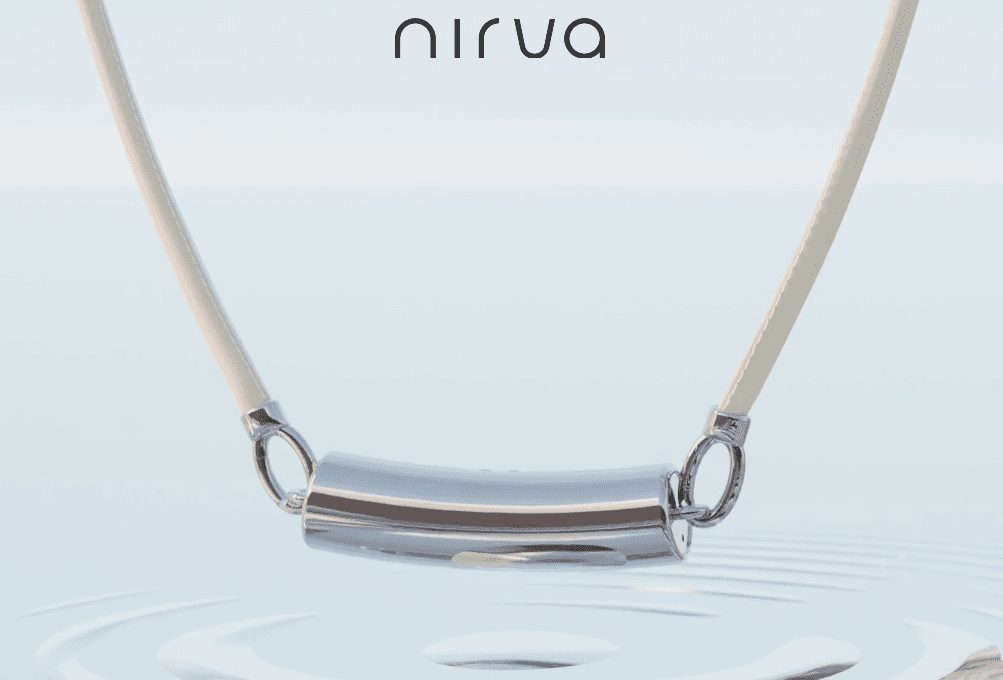
Nirva AI Jewelry: A 10g Wearable That Auto‑Journals Your Life
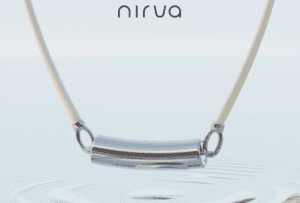
Smartwatches are powerful, but they are also obvious. Nirva takes a totally different direction: it’s an AI wearable designed as jewelry, built to be worn all day in normal social settings. Unveiled at CES, Nirva claims to act like a private “life companion” that can automatically summarize your day, track mood patterns, and help you understand your habits—without requiring you to constantly check a screen. The core promise is simple: if you can wear it continuously, it can capture more context than a watch you sometimes remove.
 |
| Credits: Nirwa |
The hardware is intentionally minimalist. Nirva weighs about 10 grams and uses hypo-allergenic titanium, aiming for comfort during full-day wear. It also carries an IP67 rating for water and dust resistance, which makes it realistic for daily life—hand washing, rain, workouts, and regular commuting. Instead of a large display, Nirva relies on its companion app to show insights, which keeps the wearable itself sleek and discreet.
What makes Nirva interesting is the “auto-journal” concept. The company says the device can passively capture and summarize daily events, and you can bookmark meaningful moments to build a personal timeline enriched with location, health, and calendar signals. People who want to journal often fail because journaling takes effort; Nirva’s pitch is that it reduces journaling to almost zero friction. If it works well, it becomes a wearable that creates a personal record without you writing paragraphs every night.
Nirva is also described as an emotion tracker. Instead of only tracking steps and heart rate like typical wearables, it aims to track patterns such as energy, stress, time spent outdoors, and social dynamics. The company’s messaging goes as far as suggesting the device can help identify which relationships feel “energizing” or “draining” based on patterns it notices. That’s a bold claim, so any buyer should treat it as “insight and suggestion,” not medical truth. Still, for users interested in mental wellness and self-reflection, even imperfect pattern tracking could be useful if presented responsibly.
From a sensor standpoint, Nirva includes dual microphones for richer audio context, an ALS (UV) sensor for lighting information (including sunlight exposure and outdoor time), and an IMU to understand motion context. The combination hints at how the device builds a “day story”—where you were, how active you were, and what your environment looked like. The company also says battery life is about two days, and a proprietary jewelry box can provide multiple extra charges on the go, with a full charge in around 90 minutes.
For everyday use, Nirva’s companion app is where the product either wins or fails. According to company materials, you can reach out for advice via text or call, and the app can provide proactive nudges like affirmations, tips, and suggestions. Some users will love that proactive coaching style, while others will consider it too intrusive. The key is whether Nirva gives you fine control over what it tracks and how often it intervenes.
Privacy is the biggest question any always-on wearable must answer. Nirva’s concept depends on passive sensing, including microphones, and that instantly raises concerns about where data goes and who can access it. A good review should emphasize what permissions are required, whether processing can happen locally, and how deletion/export works. For many people, the “jewelry form factor” is attractive precisely because it doesn’t look like a gadget, but that also means it must earn trust through transparent privacy controls.
Nirva is a new category attempt: not a smartwatch replacement, but a companion product focused on journaling and emotional self-awareness. If you want pure fitness tracking, buy a watch. If you want a discreet life-log that turns your messy days into clear summaries, Nirva is one of the most intriguing wearable ideas from CES 2026.






Post Comment